





















Washington (Berlin Morgen Zeitschrift) Septmeber 17, 2025 – Saudi Arabia is facing the largest threat to its oil production in its history as Iran-backed Houthi forces launch cross-border attacks and seize territory near the Bab el-Mandeb Strait. Experts warn that the escalating regional situation poses an existential challenge to the kingdom’s energy infrastructure. Meanwhile, international diplomatic and military reactions remain cautious regarding direct foreign intervention in the maritime dispute.
Escalation Of Houthi Attacks Near Strategic Red Sea Strait
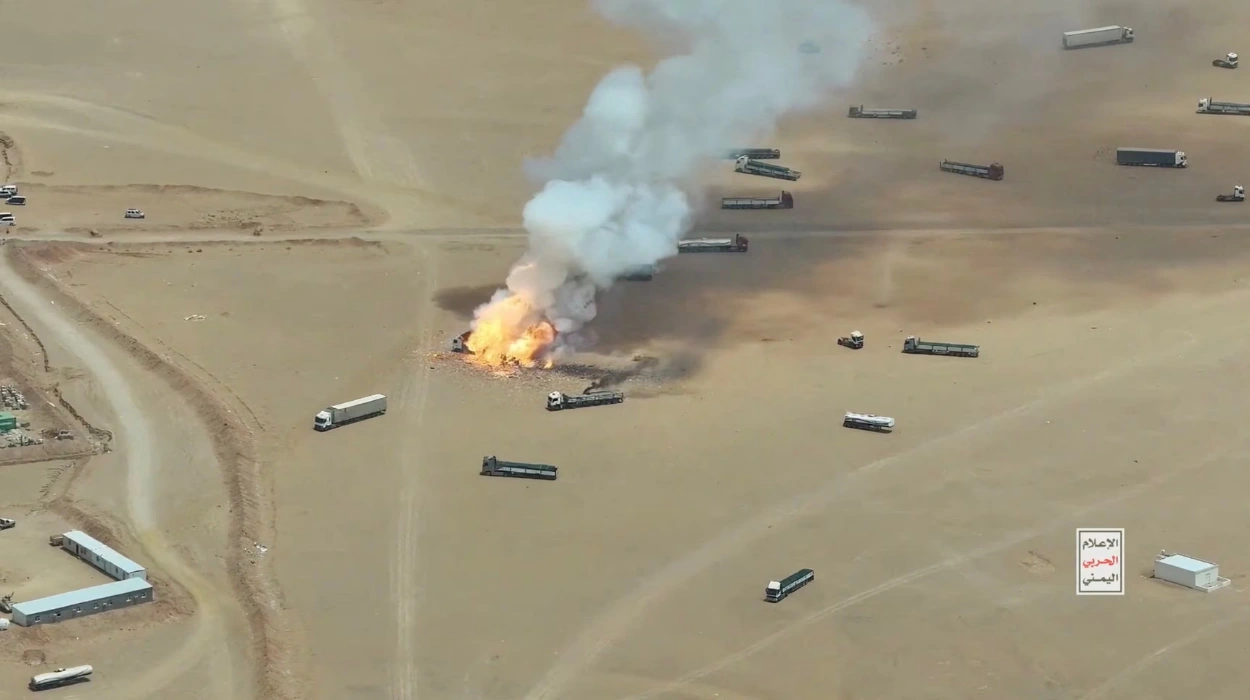
Saudi Arabia is currently confronting what specialists describe as the most significant hazard to its petroleum output since the founding of the kingdom in 1932. The escalation involves relentless cross-border assaults and territorial seizures by the Houthi movement in Yemen, specifically targeting positions near the Red Sea’s strategic Bab el-Mandeb Strait. Analysts tracking the conflict emphasize that these developments directly endanger vital maritime trade routes and regional petroleum supply chains.
Expert Assessments On Regional Security And Tehran Involvement
Hussain Abdul-Hussain, a research fellow at the Foundation for Defense of Democracies, stated that the security environment in the Middle East has sharply deteriorated. According to his assessment, Tehran has likely instigated the Houthi leadership to establish a blockade affecting Saudi Arabia. Abdul-Hussain characterised the situation as precarious and existential for the Saudi administration, highlighting the unprecedented nature of the military pressure.
Vulnerability Of Vital Energy Transit Corridors
The strategic positioning of Houthi forces near critical Red Sea chokepoints has intensified concerns over the safety of commercial and state-owned oil vessels. Observers note that the alignment of these offensives coincides with broader regional tensions involving proxy networks across the Middle East. The proximity of the seized territories to major shipping lanes places immense strain on regional defense mechanisms designed to protect energy transit corridors.
Diplomatic Outreach And International Military Response Limits
Diplomatic outreach by Riyadh has intensified as authorities seek international backing to neutralize the mounting security risks. Reports indicate that Saudi officials have engaged high-level contacts, including communications with United States leadership, to discuss the deteriorating conditions. However, initial indications suggest that Washington is unlikely to commit direct military forces to combat the threat centered around the Bab el-Mandeb Strait.
While United States assistance may involve strategic advice and logistical support, extensive military engagement in this specific theatre is not anticipated by foreign policy analysts. Consequently, the government in Riyadh must navigate the complex security landscape largely through its own military capabilities and regional alliances, as the physical security of international oil transportation faces sustained disruption.